
 Smita Diwan
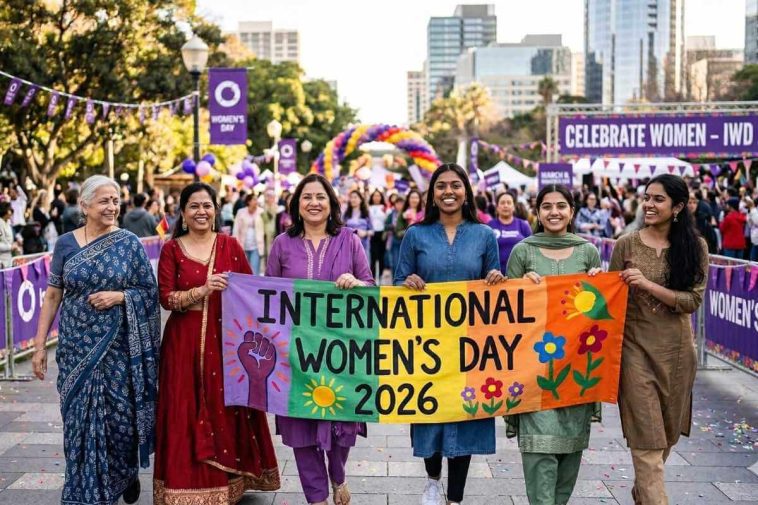
This year, the global theme of International Women’s Day (IWD 2026) focuses on accelerating action for gender equality. But real change does not begin in conference rooms or social media campaigns. It begins with awareness when women know their rights, their protections, and the systems created to support them.
From Celebration to Awareness
Across India, thousands of women still hesitate to speak up when they face harassment, discrimination, abuse, or injustice. Often it isn’t because they lack courage it is because they lack information about the laws and helplines designed specifically to protect them.
This Women’s Day, let’s shift the conversation from celebration to empowerment through knowledge.
Because a woman who knows her rights is a woman no one can silence.
Safe Workplaces Are a Legal Right
In India, one of the most powerful legal protections for working women is the Sexual Harassment of Women at Workplace (Prevention, Prohibition and Redressal) Act, 2013 — widely known as the POSH Act.
Whether a woman works in a corporate office, a startup, a government institution, or a small organisation, the law clearly states that every workplace must be safe and respectful. Companies with more than 10 employees are required to establish an Internal Complaints Committee where women can report inappropriate behaviour, harassment, unwelcome remarks, or hostile work environments.
The law also ensures confidentiality, fair investigation, and strict consequences for offenders. In simple terms, the POSH Act reinforces one powerful truth: a woman’s dignity at work is not optional it is a legal right.
But safety must extend beyond workplaces. It must also protect the most vulnerable members of society our children.
Protecting Children from Abuse
The Protection of Children from Sexual Offences Act, 2012 (POCSO) was introduced to address crimes against minors with strict punishments and child-friendly legal processes. It ensures that children who report abuse are protected, their privacy respected, and their cases heard in special courts designed for faster justice.
For mothers, teachers, and caregivers, awareness of POCSO is essential. When adults understand the law, they become better protectors of children’s safety and dignity.
Addressing Violence Within Homes
Women’s rights laws also recognise that violence does not always come from strangers. For many women, the biggest struggles happen within their own homes. That is why the Protection of Women from Domestic Violence Act, 2005 was enacted to provide legal protection against physical, emotional, financial, and psychological abuse within families or relationships.
This law gives women the right to remain in their shared home, seek protection orders, receive financial support, and access legal or medical assistance. It firmly establishes that domestic abuse is not a private issue — it is a punishable crime.
Protecting the Girl Child Before Birth
India has also taken legal steps to address discrimination even before a girl is born. The Pre‑Conception and Pre‑Natal Diagnostic Techniques (Prohibition of Sex Selection) Act, 1994 prohibits sex determination tests and prevents the misuse of medical technology for gender selection.
This legislation was introduced to combat female foeticide and reinforce the value of every girl child. Its message is clear: every girl deserves the right to exist, thrive, and be celebrated.
While laws form the backbone of protection, institutions play an equally critical role in ensuring those laws reach women who need help.
Maharashtra State Commission for Women
One such institution working actively for women’s rights in the state is the Maharashtra State Commission for Women. The commission addresses complaints related to harassment, violence, injustice, and discrimination, while also spreading awareness about legal rights available to women.
For women seeking help, support, or guidance, the commission provides multiple ways to reach out:
Phone: 020-26482190 / 022-26590747
Helpline: 244208
Email: [email protected]
Website: www.mscw.org.in
These contact points exist for a reason so that no woman ever feels alone when she needs help.
In many situations, women stay silent because they believe nothing will change or no one will listen. But awareness of these support systems can change that narrative entirely. A phone call, an email, or a complaint can initiate action, protection, and justice.
Women’s empowerment is often discussed in terms of financial independence, leadership, or career growth. Those achievements are important. But true empowerment begins with something more fundamental: safety, dignity, and the confidence to claim one’s rights.
This Women’s Day, empowerment should mean more than inspirational posts and celebratory messages. It should mean conversations that inform women about the protections that exist for them.
Helplines Every Woman Should Save
In moments of crisis, the most important thing is knowing that help is only a call away. The following helplines are available across India and provide immediate assistance, guidance, and protection:
• Police Emergency (24/7 Help for Women) – Dial 112
• Women’s Police Helpline – Dial 1091
• Sakhi One Stop Centre for Women in Distress – Dial 181
• Cyber Security and Online Fraud Helpline – Dial 1930
• Childline (For Children in Distress) – Dial 1098
• Senior Citizen Helpline – Dial 14567
• Free Legal Advice Helpline – Dial 15100
Share these laws. Save these helpline numbers. Talk about them with daughters, friends, colleagues, and family members.
Empowerment Through Awareness
Because a society becomes stronger when women feel safe enough to speak and informed enough to act.
The future of gender equality will not be built by silence. It will be built by informed voices, fearless decisions, and women who refuse to accept injustice as normal.
So as the world marks International Women’s Day this year, remember that empowerment is not just a word it is a responsibility we share with every woman around us.
And sometimes, the most powerful step toward change begins with something simple: knowing where to call when you need support and knowing you deserve it.