
 Anushka Prasad
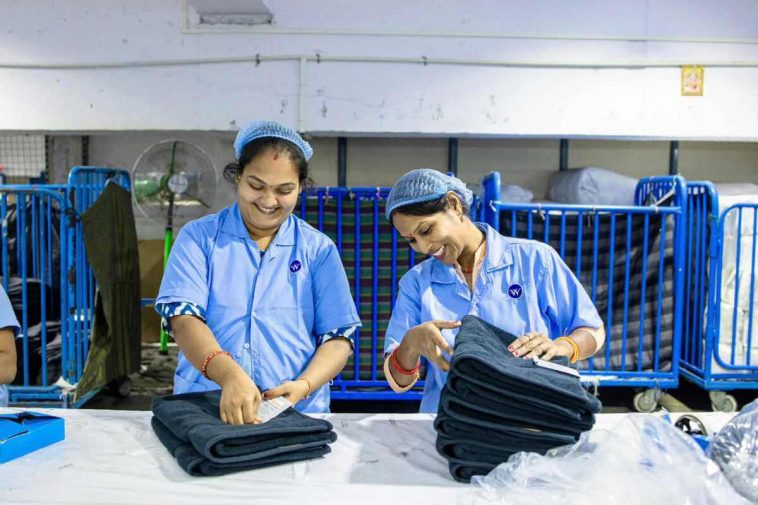
Women constitute a vital and growing segment of India’s workforce, and the new Labour Codes mark a significant step towards creating a more inclusive, safe, and enabling work environment for them. According to the official government communication dated November 27, 2025, these four Labour Codes modernise India’s labour law framework by replacing outdated and fragmented legislations with a unified system that responds to the evolving realities of women’s employment. The reforms aaddress long-standing barriers faced by working women—ranging from limited job access and inadequate maternity protection to underrepresentation in decision-making bodies.
Women’s Representation on Advisory Boards
A key provision mandates that one-third of the members of Central and State Advisory Boards must be women. Increased representation in advisory bodies and grievance committees allows women to actively participate in shaping workplace policies, dispute resolution mechanisms, and decisions related to harassment, safety, and unfair treatment. This inclusive approach also encourages women to raise concerns more confidently, particularly regarding sensitive issues such as workplace harassment, maternity rights, and safety.
Wider Job Access for Women
The Labour Codes have expanded employment opportunities for women by opening access to sectors that were previously restricted, including hazardous industries, manufacturing units, and night-shift duties. To ensure safety, the Codes mandate adequate security measures, transport facilities, and workplace safeguards for women employed in such roles. This reform significantly broadens career options and supports women’s entry into industries earlier considered unsafe or unsuitable.
Female Labour Force Participation
Women workers may be employed in all establishments for all types of work. They may also work at night—that is, before 6 a.m. and after 7 p.m.—with their consent, and employers are required to make adequate arrangements for their safety, facilities, and transportation.
Enhanced Maternity Benefits
One of the most important aspects of the Labour Codes is the provision of maternity benefits. Under the Code on Social Security, women are eligible for maternity benefits after working for at least 80 days in the year preceding their delivery. The Code ensures a maximum maternity leave of 26 weeks, of which up to 8 weeks may be taken before the expected date of delivery.
Additionally, a woman who legally adopts a child below three months of age, or a “commissioning mother” (a biological mother who uses surrogacy), is entitled to 12 weeks of maternity benefit from the date of adoption or from the date the child is handed over.
Women are also permitted to work from home, where the nature of work allows. The certification process for proving pregnancy, miscarriage, or related medical conditions has been simplified.
Women can now obtain medical proof from ASHA workers, auxiliary nurse midwives, and midwives, in addition to doctors or hospitals. This makes the process significantly easier, especially for women in rural or remote areas.
Additionally, women are entitled to a medical bonus of Rs 3,500 if they do not receive free medical care during or after childbirth.
Mandatory Crèche Facilities
Childcare support has been strengthened through mandatory crèche facilities. Establishments with 50 or more employees are required to provide a crèche either within the workplace or nearby. Women are allowed four visits per day to the crèche, enabling better work-life balance and supporting continued workforce participation after childbirth.
Prohibition of Gender Discrimination
The Labour Codes strongly prohibit gender-based discrimination. Employers are barred from discriminating between men and women in recruitment, wages, promotion, or working conditions for the same or similar work. This reinforces the principle of equal pay for equal work and aligns with Article 14 of the Constitution, which guarantees equality before the law.
Conclusion
Collectively, the Four Labour Codes strengthen women’s position in the workforce by promoting equality, safety, and opportunity. Through enhanced maternity benefits, childcare support, expanded job access, equal pay protections, and greater representation in decision-making bodies, these reforms empower women to participate confidently and meaningfully in India’s economic growth.