
 Smita Diwan
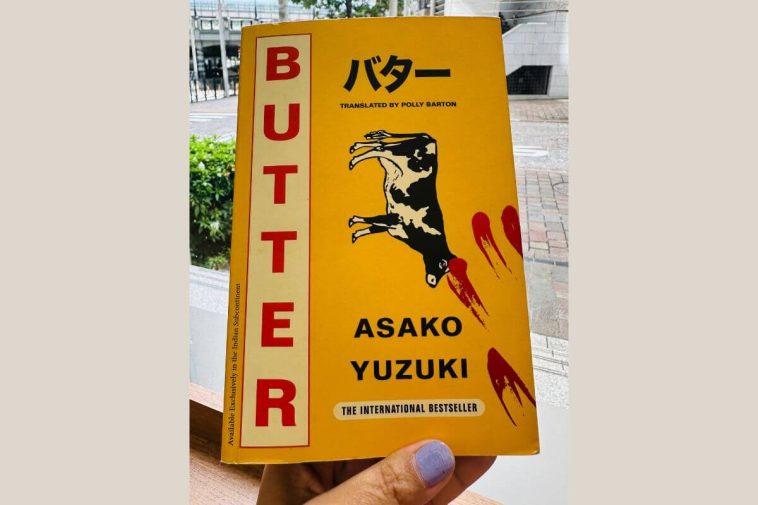
Every once in a while, I come across a book that quietly lingers long after I’ve closed its pages. Not because of an explosive plot twist or a dramatic ending, but because it changes the way I think about everyday life. Butter is one of those rare novels.
Book Review: The Correspondent by Virginia Evans
Beyond the Crime Narrative
When I first picked it up, I expected a psychological crime story. After all, the novel revolves around a journalist investigating a woman accused of manipulating wealthy men through elaborate meals and emotional control. It sounded intriguing enough. But what I wasn’t expecting was how deeply the story would explore hunger not just hunger for food, but hunger for love, recognition, power, and freedom.
By the time I reached the final chapter, I realized I hadn’t simply read a mystery. I’d experienced a remarkably layered exploration of modern womanhood, societal expectations, and the complicated emotions we often hide behind ordinary routines.
That is what makes Butter such a rewarding read.
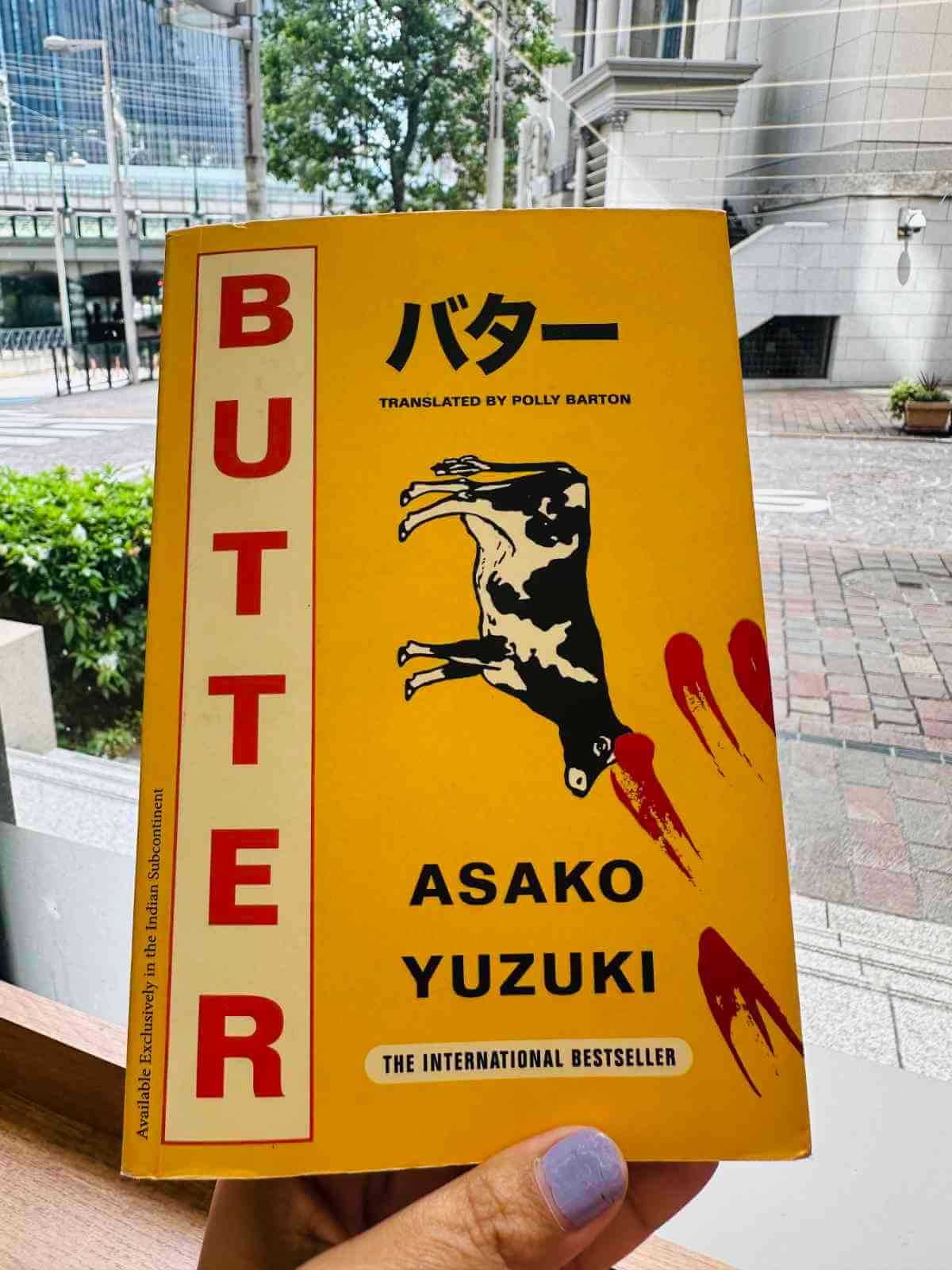
One of the first things that struck me was the pace. This isn’t a novel that races from one revelation to the next. Instead, it unfolds slowly, almost like preparing a thoughtful meal from scratch. Initially, I wondered if I wanted it to move faster. Then I realized the slower rhythm is precisely the point.
The author wants us to pay attention.
To the pauses.
To the conversations over dinner.
To the ingredients that quietly reveal more about a character than pages of dialogue ever could.
It’s a refreshing change from many contemporary thrillers that rely on constant shocks. Here, the suspense comes from observation. Every interview, every carefully prepared dish, every shared meal gradually reveals another layer of the characters.
And speaking of food I don’t think I’ve ever read a novel where food feels this alive.
Butter, warm rice, freshly baked bread, rich sauces these aren’t just descriptions meant to make readers hungry. They’re symbols of comfort, temptation, rebellion, memory, and even control. I found myself craving the meals while simultaneously questioning why those meals carried so much emotional weight.
That’s the magic of this novel.
It transforms something as ordinary as cooking into a language of its own.
One theme that stayed with me long after finishing the book was society’s relationship with women’s appetites. We often celebrate women who sacrifice, who make themselves smaller, who prioritize everyone else’s needs before their own. But what happens when a woman unapologetically enjoys food? Or seeks influence? Or refuses to conform to expectations?
Butter doesn’t answer these questions directly.
Instead, it gently invites readers to examine their own assumptions.
I found myself catching moments where I’d unconsciously judged characters before understanding them fully. That’s one of the novel’s greatest strengths—it exposes not only the biases within the story but also those we bring as readers.
The journalist at the center of the novel is another reason this book resonated with me.
As someone who has spent years working with stories, interviewing people, and understanding how narratives are shaped, I found her journey especially compelling. She begins believing that journalism is simply about uncovering facts. Gradually, however, she realizes that truth is rarely objective. Every interview is influenced by memory, prejudice, emotion, and perspective.
That idea feels incredibly relevant today.
We live in an era where headlines often replace understanding and where social media encourages instant opinions. Butter reminds us that people are rarely as simple as the stories written about them.
I appreciated that the novel never divides its characters into heroes and villains. Everyone carries contradictions. Even the most unsettling characters remain deeply human. Rather than asking readers to choose sides, the novel asks us to sit with discomfort.
Personally, I enjoy books that trust readers to think for themselves instead of delivering easy moral conclusions.
This novel does exactly that.
The writing itself deserves special mention. It’s elegant without becoming overly poetic, descriptive without feeling excessive. There were several passages I reread simply because I admired how effortlessly they captured an emotion through a simple image or meal.
Nothing feels wasted.
Every chapter adds another ingredient to the larger story.
By the end, I realized the investigation had become almost secondary. The real mystery wasn’t whether crimes had been committed, it was understanding how loneliness shapes decisions, how desire influences identity, and how society defines acceptable femininity.
Those are much harder questions than solving a murder.
They’re also far more interesting.
Would I recommend Butter?
Absolutely but with one small caveat.
This isn’t the right book if you’re looking for a fast-paced thriller to finish in a single weekend. It asks for patience. It rewards close reading. It’s the kind of novel you’ll probably find yourself discussing over coffee or perhaps over a slice of warm toast generously spread with butter.
If, however, you enjoy literary fiction that combines psychological depth, social commentary, and unforgettable sensory writing, this book is well worth your time.
For me, Butter wasn’t just about crime or cooking. It became a meditation on identity, relationships, ambition, and the invisible rules society places on women. Few novels manage to make readers both hungry and introspective at the same time, but this one does exactly that.
Long after finishing it, I still find myself thinking about its characters whenever I cook a meal or sit down at a table with family and friends. That’s the hallmark of a truly memorable book; it doesn’t simply entertain you for a few hours; it quietly changes the way you see the world.
And in my opinion, that’s exactly what Butter achieves.