

 Sambhavi Gautam
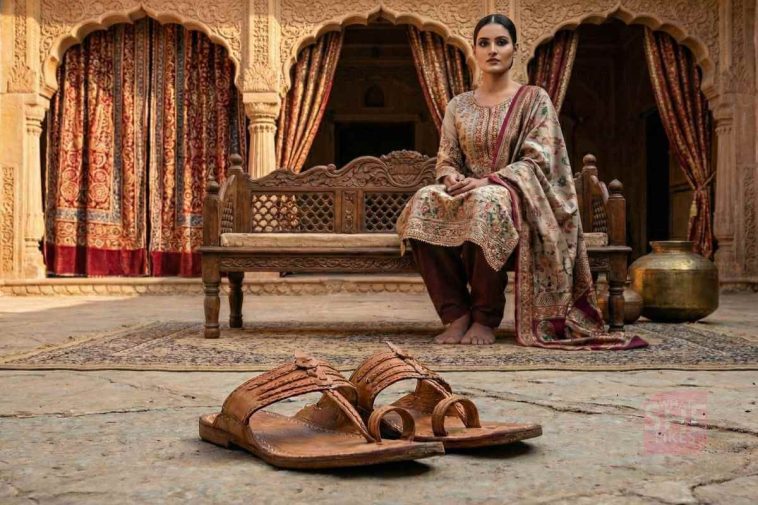
There is a strange moment unfolding globally—one you might have scrolled past without even noticing. A major European label released a “heritage leather sandal” that looked exactly like the Kolhapuri chappal worn across India and handmade by artisans in the Kolhapur region of Maharashtra. Then, a Scandinavian influencer flaunted a “minimalist woven scarf.” It was nothing but our humble Indian gamchha or dupatta, repackaged and renamed. These products are now being sold at nearly 100 times the price in the global market.
Cultural Borrowing Without Credit
For decades, Western fashion has borrowed heavily from India but rarely credited the source. But from the British who stole muslin fabric to the brands of today, something has changed: India is reclaiming its design language, and the world is being reminded that many of its biggest trends began in our own backyard—from jute totes and metallic bangles to cashmere sweaters. The list is long.
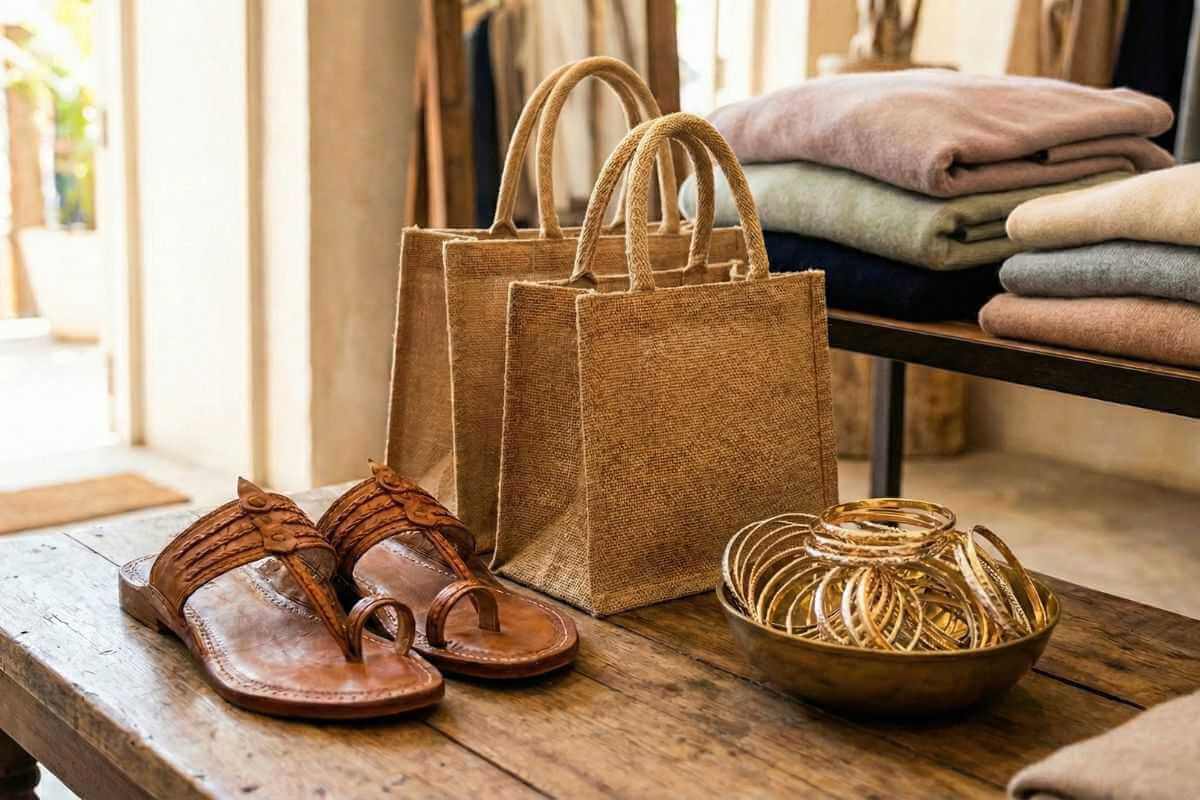
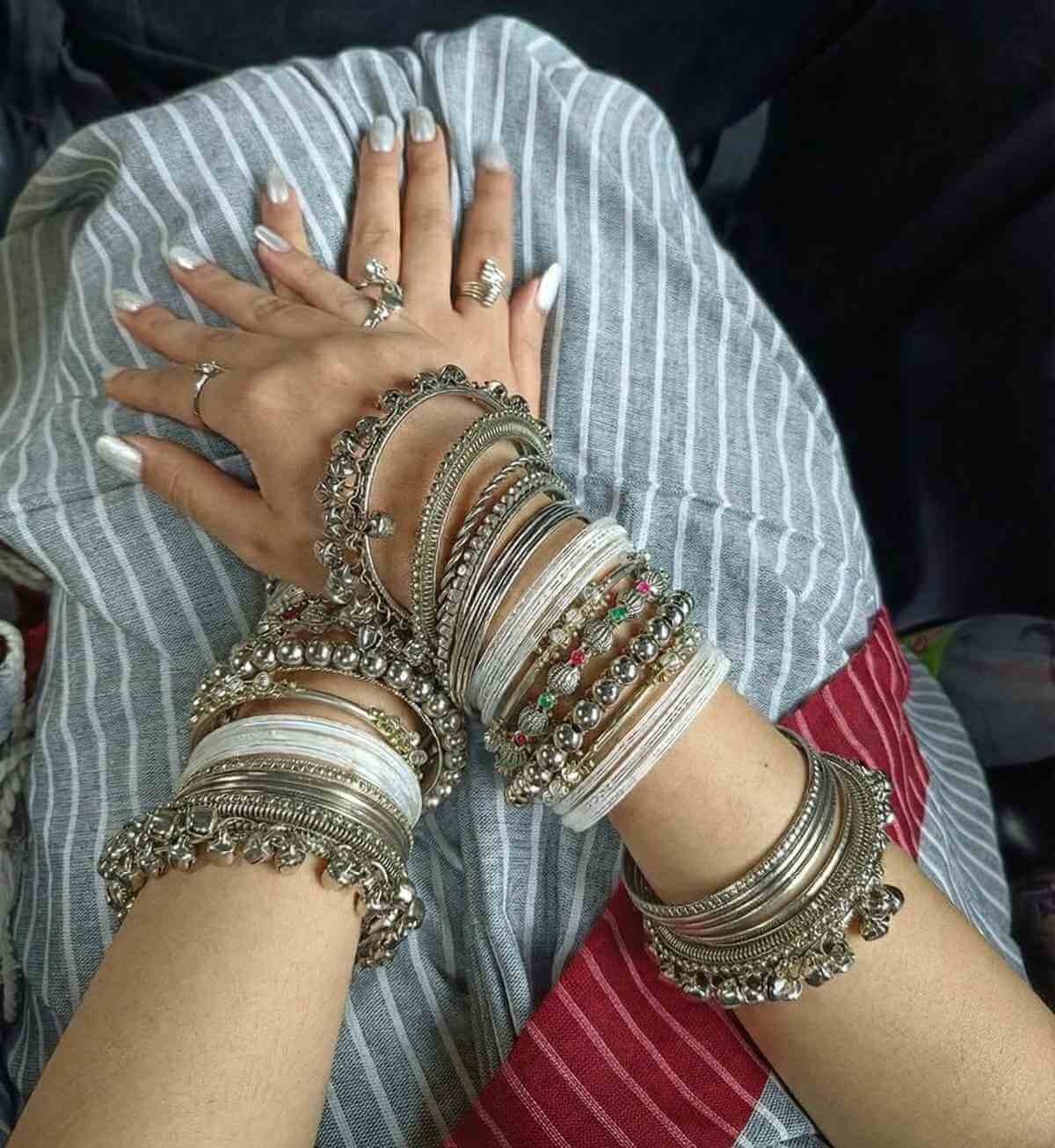
If you look closely, you’ll notice a pattern the world keeps repeating: Indian silhouettes, textiles, and craft techniques are travelling everywhere—just never with India’s passport stamp. The “bohemian leather sandal,” the “artisan woven wrap,” the “tribal silver stack”—all these major global fashion trends carry Indian DNA. With over 7 million artisans and more than 3,000 craft clusters, India continues to supply more design vocabulary to global fashion than almost any other culture. Yet our creations return with foreign labels and luxury price tags: the Kolhapuri reappears as “Prada’s gladiator sandal,” and the gamchha resurfaces as a “Scandinavian minimalist scarf.”
Digital Voices Calling Out Appropriation
But as the world has gone digital, this cultural erasure hasn’t gone unnoticed. Indian fashion commentators like Diet Sabya, lifestyle influencers such as Komal Pandey and Masoom Minawala, and conscious-fashion voices like Aditi Mayer have repeatedly called out brands for repackaging Indian heritage without acknowledging its roots. Even global watchdogs like Diet Prada have spotlighted major labels doing the same.
Slowly but unmistakably, this quiet erasure has sparked a loud response. Indian designers, creators, and consumers are no longer watching their culture be renamed—they’re reclaiming it. And that shift is rewriting the fashion story, one silhouette at a time.
Homegrown Brands Leading the Revival
Across India, a new wave of homegrown brands is making sure our culture stays ours. And a major reason behind this shift is you—the Indian consumer. More people today are moving away from Zara, H&M, and other fast-fashion giants because they’re tired of poor quality, short-lived trends, and the environmental damage these brands cause. Instead, shoppers are choosing clothes that last longer, feel personal, and carry a real story.
Take Gully Labs, for example. They specialise in turning everyday Indian street elements—signboards, Hindi typography, local slang—into cool, wearable sneakers. Then there’s Tokree Jaipur, known for its hand-stitched cotton outfits and soft, naturally dyed block prints made by local artisans. Brands like Gulabo Jaipur and Rangriksha keep Jaipur’s Sanganeri and Bagru printing traditions alive through simple, elegant designs you can wear every day.
Brands like Happenstance from Kerala are doing something equally exciting. They’re revisiting Indian footwear styles like Kolhapuris and redesigning them into lightweight, doctor-approved, ultra-comfortable sandals created using foot-mapping technology. Their approach proves that Indian-inspired footwear can be both stylish and scientifically engineered for comfort.
You’ll also recognise names like Nappa Dori, which makes leather and travel essentials; Buna Studio, known for detailed handwoven garments; and Khara Kapas, which creates everyday essentials from pure cotton for lovers of minimal style. Okhai works with rural women’s groups to sell artisan-made clothing and home essentials. House of Masaba caters to high-end consumers with bold, vibrant prints inspired by Indian culture. These brands choose to tell their stories through art, proudly showing who made the product and which craft cluster it came from. All of them follow the same philosophy: clean, simple, and proudly Indian.
Brands Redefining Indian Aesthetics
This shift is happening because India has something unique—a strong, steady, craft-rich ecosystem where materials, skills, and creativity all exist locally. That’s why fashion brands built in India often succeed: the passion of their founders, the richness of Indian culture, and the growing demand from Indian as well as global consumers come together naturally. And at the heart of this ecosystem are small farmers, tribal artisans, and rural creators whose work keeps the industry alive.
And once you understand how strong India’s creative base truly is, you’ll see why it plays an even bigger role in our festive fashion economy.
India’s December Fashion Economy
When you step into India’s December wedding–festive season, you’re entering one of the country’s biggest fashion moments. Behind almost every embellished lehenga, handwoven dupatta, or mirror-work blouse is a rural woman artisan whose work keeps the industry alive.
Gujarat’s Rich Textile Heritage
According to Gujarat Tourism, regions like Kutch, Bhujodi, Patan, Surendranagar, Banaskantha, and Jamnagar produce some of India’s most valuable textile crafts: Bandhani, Ajrakh, Patola ikat, Rabari embroidery, mirror-work, and handloom shawls. These crafts are executed almost entirely by women-led clusters, where skill is passed down through generations.
Rajasthan’s Living Craft Traditions
In Rajasthan, too, festive fashion depends on women artisans working in Barmer (appliqué & patchwork), Bagru and Sanganer (block printing & natural dyes), Jaisalmer (embroidery), and Udaipur (tie-dye). These clusters produce the textiles you see on billboards, Pinterest wedding boards, and designer runways, yet the women behind them remain largely invisible.
Luxury Fashion’s Dependence on Rural Craft
India’s major designers—Anita Dongre, Ritu Kumar, Anavila Misra, Masaba Gupta, Payal Khandwala, Ridhi Mehra, and others—source heavily from these regions. Anita Dongre’s Grassroot, for instance, employs hundreds of women in Kutch and Barmer for mirror-work and gota-patti. Ritu Kumar collaborates with block printers in Bagru and Sanganer, while Raw Mango by Sanjay Garg revives Patola and Bandhani traditions through Patan and Bhuj clusters.
The Economic Impact of Choosing Handcrafted Fashion
This isn’t just culture—it’s economy. India’s wedding and festive wear industry is valued at Rs 3.3 lakh crore and peaks between October and February. Nearly 60 percent of the handwork that goes into couture—embroidery, zardozi, mirror-work, appliqué, resist-dyeing—is done by women artisans in Gujarat and Rajasthan. Their labour sustains boutiques, luxury labels, influencer campaigns, and bridal designers across India.
Every time you choose a hand-embroidered dupatta or Bandhani saree, you’re supporting a rural woman whose artistry travels from a small village straight into your wardrobe—and into the heart of India’s booming festive fashion economy.