
 Sambhavi Gautam
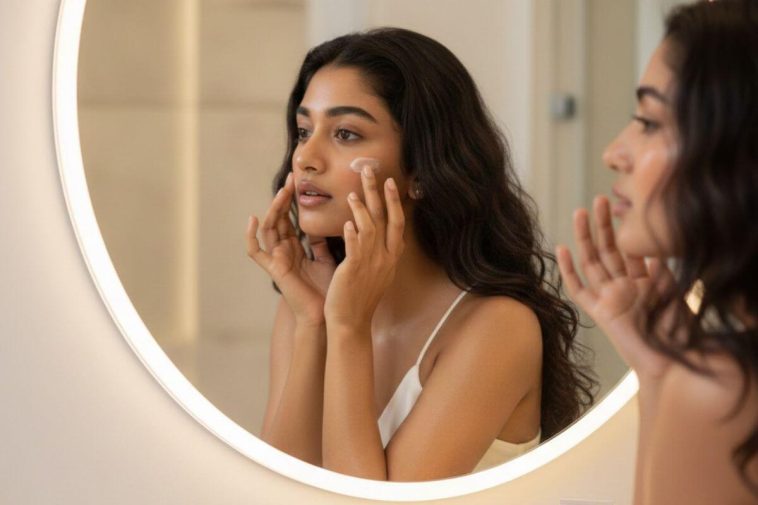
When you walk into a skincare store today, pause for a second before you reach for anything. Notice what grabs you first. It isn’t the ingredient list. It isn’t the formulation science. It’s the packaging. Soft pastels. Clean typography. Dropper bottles that look good on your shelf and even better on Instagram. Everything feels intentional, premium, and carefully styled. But once you start using these products consistently, a quieter realisation often sets in: many of them feel the same and are often ineffective.
Also Read: India’s Winter Fruits Were Doing Wellness Long Before It Became a Trend
When Natural Became a Comfort Story
A few years ago, you were encouraged to chase the word “natural.” Aloe, neem, tea tree, onion oil, and “chemical-free” labels promised safety and purity. Brands like Mamaearth, WOW Skin Science, and Biotique became everyday names. You were told that gentle was better, plant-based was smarter, and tradition meant effectiveness. And at first, it felt reassuring. But over time, many of these products delivered pleasant textures and good fragrances without meaningful results. “Natural” slowly turned into a comfort story rather than a performance promise.
Minimalist Packaging, Maximum Marketing
Then the industry pivoted, and your choices as a consumer pivoted with it. Suddenly, skincare became scientific. You were told your skin needed actives. Niacinamide for pores. Salicylic acid for acne. Hyaluronic acid for hydration. Ingredient education took centre stage, and brands like The Derma Co, Minimalist, and Dr Sheth’s entered the conversation with clinical language and clean labels. And to be fair, these ingredients did work—and still do today. You likely saw faster results. But very quickly, every shelf began to look familiar again. The same serums. The same percentages. Slightly different claims. Different packaging, same formulas.
And now the market is changing again, and you’re living through the unpretty packaging phase. Bottles stripped of colour. Labels that look intentionally boring. The message is clear: this is serious skincare. This is science. But even this aesthetic has become a marketing language of its own. When you look past the minimalist design, many products remain near-identical. The innovation rarely feels deep. What changes most often is how the product is presented to you.
Fast Cycles, Faster Decisions
What’s driving all of this isn’t necessarily bad intent—it’s speed. Indian D2C skincare operates on fast cycles. Quick launches. Quick rebrands. Viral influencer moments. Packaging becomes the loudest differentiator when formulas don’t radically differ. And you, the consumer, are constantly nudged toward the belief that the next bottle will finally fix what the previous one didn’t. You’ve probably felt it: a shelf full of half-used products, a routine that keeps expanding, a quiet confusion about what actually works for your skin. Skincare begins to feel less like care and more like maintenance—driven by trends rather than needs.
Choosing What Works Over What’s New
So when you walk into that aisle again or scroll past another “holy grail” recommendation, it’s worth pausing before you add to cart. The market thrives on simplifying your choices, reducing skincare to trends you can follow rather than decisions you can question. Pretty packaging and loud claims make it easier to buy, not better to choose. Good skin has never come from keeping up. It comes from understanding what works for you, sticking with it, and resisting the constant pressure to replace function with novelty. Choosing better isn’t about knowing more ingredients; it’s about refusing to let the market think on your behalf.